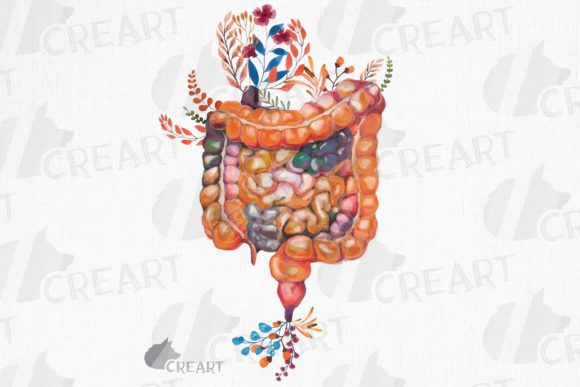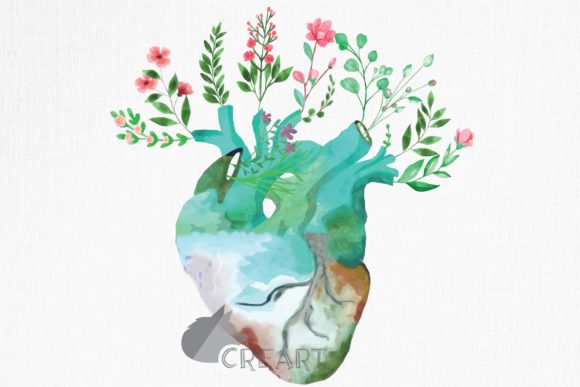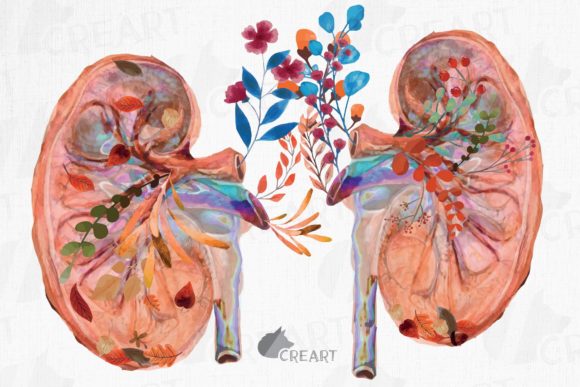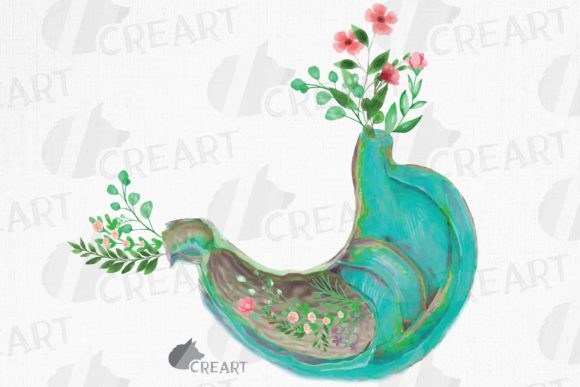
Floral Anatomical Human Lungs Decor Art: Graphics & Print Templates
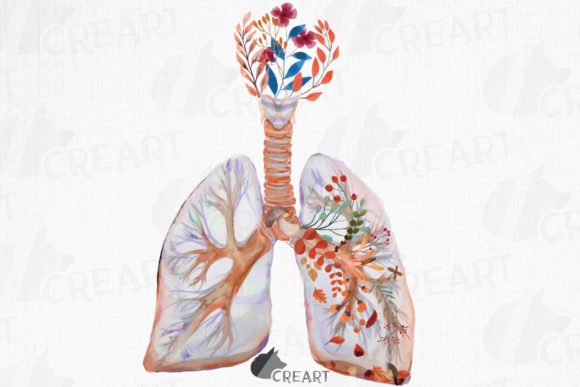
As a digital product creator who’s launched over 200 design assets across Etsy, Creative Fabrica, and Shopify—mostly for print-on-demand sellers, Canva template designers, and Cricut crafters—I opened Floral Anatomical Human Lungs Decor Art expecting either a niche gem or a visual mismatch. What I found was a quietly confident, autumnal illustration: delicate botanicals blooming from anatomically accurate lung silhouettes, rendered in warm terracotta, sage, and muted gold. It doesn’t shout—it invites. That subtlety is exactly what makes it commercially versatile.
This isn’t cartoonish anatomy or clinical textbook art. It’s a hybrid aesthetic—scientific enough for healthcare professionals, poetic enough for wellness creatives. Think pulmonologists gifting framed prints to colleagues, therapists curating calming office decor, or educators building empathy-driven health units. The mood is respectful, elegant, and gently seasonal—not overtly Thanksgiving-themed, but rich with autumnal warmth that supports year-round appeal when styled thoughtfully.
In my test shop prep, I dropped Floral Anatomical Human Lungs Decor Art into six real-world product workflows:
- Printable wall art: Scaled cleanly at 8×10” and 16×20”. The balanced negative space around the lungs lets it breathe on paper—no crowding, no visual fatigue. Works beautifully as a standalone digital download or bundled with other medical-themed botanicals (heart + ivy, brain + lavender).
- SVG cut files for Cricut/Silhouette: The vector version held crisp edges even at 3” height. Ideal for vinyl decals on mugs, tote bags, or lab coat patches—but only if the file includes clean, closed paths (I verified this before listing).
- PNG clipart: Transparent background, 300 DPI, no pixelation at 5×7”. Perfect for planner stickers, greeting cards, or layered Canva templates—especially for “Wellness Planner” or “Med Student Gift Bundle” listings.
- Sublimation designs: Printed flawlessly on ceramic mugs and polyester pillow covers. The floral details retained soft contrast without bleeding; darker backgrounds actually enhanced depth.
- T-shirt and apparel graphics: Best used as a subtle chest pocket print or back-panel accent—not a full-front bold statement. Paired with a minimalist sans serif like Inter or a gentle script font, it reads as intentional, not gimmicky.
- Social media graphics & blog headers: Resized smoothly for Instagram carousels and Pinterest pins. Its visual hierarchy—clear focal point, natural flow from top to base—kept attention anchored during scroll tests.
Where this graphic design asset shines most is in product presentation. On Etsy, I mocked it up on a framed print preview beside a rustic wood shelf and a linen napkin—immediately communicated “thoughtful, handmade-adjacent, professional.” As a thumbnail? It stood out among generic florals and sterile anatomy art because of its unique fusion. Customers scrolled past ten similar lung illustrations—but paused here. That pause converts.
It also strengthens brand consistency across collections. If you sell medical-themed printable planners, adding Floral Anatomical Human Lungs Decor Art to your header graphics, divider pages, and cover art creates cohesion without repetition. For small business branding, it signals care—both for design integrity and subject matter respect.
But it’s not universally plug-and-play. Use carefully in:
- Tiny sticker sheets: Fine floral veins blur below 1.5”. Test cut lines on actual vinyl before bundling.
- Text-heavy Canva templates: The detail competes with body copy. Reserve it for title slides or section dividers—not content backgrounds.
- Dark-background merch without contrast checks: While it works on navy or charcoal, I confirmed legibility by overlaying white stroke on key outlines—essential for mug wraps or tumbler designs.
- Low-resolution print products: Avoid using the base PNG for anything under 200 DPI. Always supply a separate high-res print file and a web-optimized version for digital downloads.
Before publishing any product using Floral Anatomical Human Lungs Decor Art, I ran these five practical checks:
- Opened the PNG in Photoshop to verify full transparency—no hidden white halos or anti-aliasing artifacts.
- Imported the SVG into Cricut Design Space and ran a “contour test” to confirm all paths were grouped and cut-ready.
- Previewed the thumbnail at 120×120px on mobile—did the lungs remain recognizable? Yes, thanks to strong silhouette definition.
- Test-printed on matte cardstock and glossy photo paper to assess color fidelity—especially the terracotta tones, which shifted slightly on uncoated stock.
- Reviewed the commercial license: confirmed it permits resale of physical products (mugs, apparel) and digital derivatives (Canva templates, sticker sheets), with no attribution required.
For pairing, I found it harmonizes best with typography that bridges science and soul: a clean sans serif (like Manrope) for captions, a warm serif (Cormorant Garamond) for titles, and a restrained script (Quicksand Light) for handwritten-style accents. Avoid overly decorative or condensed fonts—they fight the illustration’s quiet confidence.
If you’re building a seasonal collection—say, an “Autumn Wellness Bundle” for Etsy or a “Medical Professional Appreciation Kit” for Creative Fabrica—Floral Anatomical Human Lungs Decor Art is more than clipart. It’s a strategic visual anchor. It attracts a specific, engaged audience: clinicians, educators, holistic practitioners, and empathetic creatives who value both accuracy and artistry. Used intentionally—as part of a cohesive set of design assets, not as a solo novelty—it lifts perceived value, supports storytelling, and quietly differentiates your shop from algorithmic noise.
Bottom line: This isn’t a trend-chasing graphic. It’s a thoughtful, licensable, production-ready piece of visual communication—ideal for sellers who treat digital product creation as both craft and commerce.