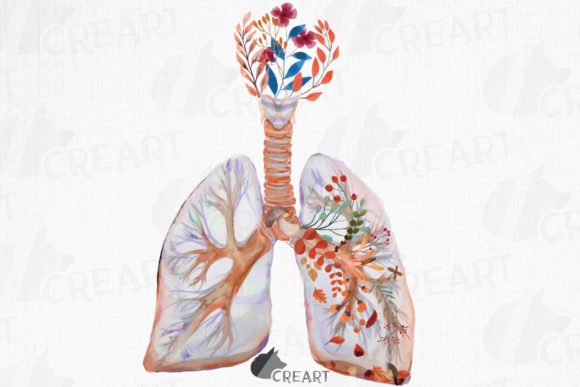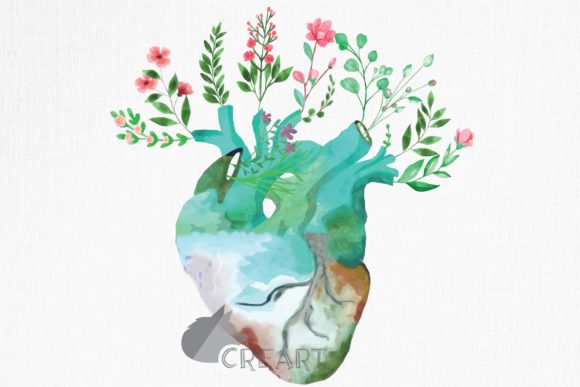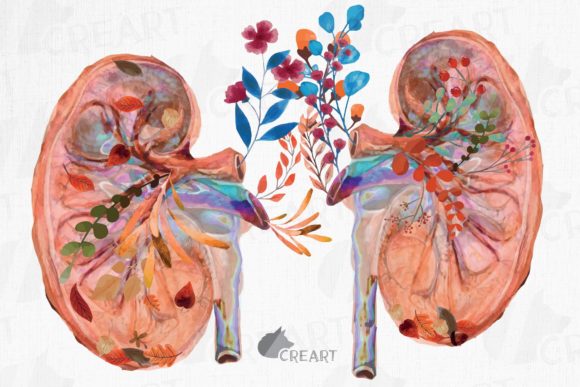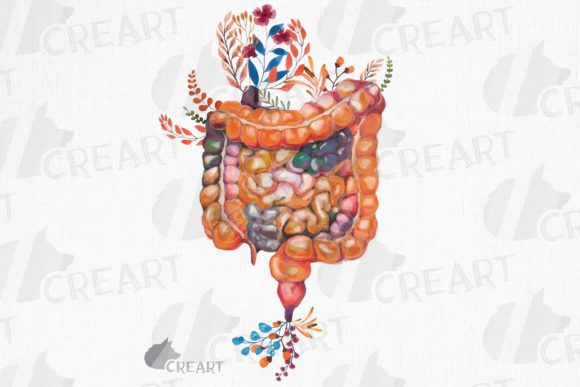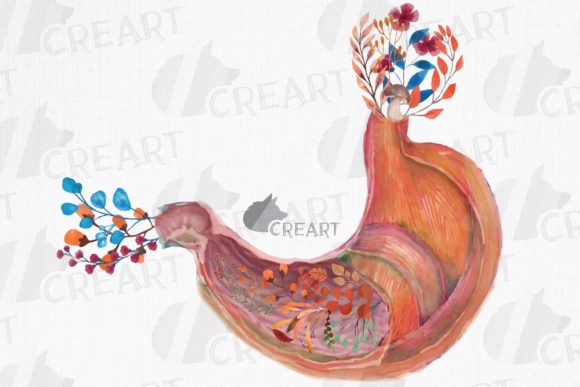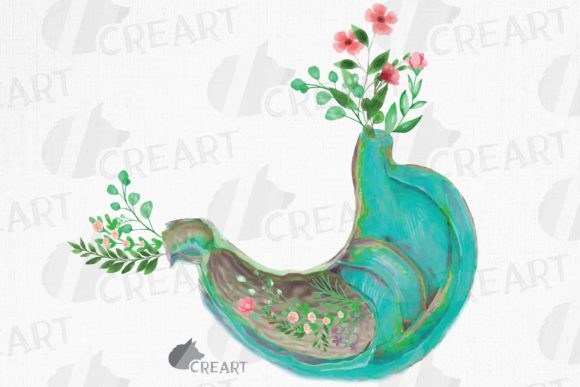
Floral Anatomical Stomach Graphics & Print Templates
As a digital product creator who’s launched over 200 design bundles across Etsy, Creative Fabrica, and Shopify—mostly for healthcare-themed creatives, science educators, and wellness-focused small businesses—I recently tested the Floral Anatomical Human Stomach Decor as part of a spring-themed medical art collection. My goal? To see if it holds up commercially—not just as a novelty, but as a versatile, licensable graphic design asset that supports real product lines.
First Impression: Niche Precision with Decorative Warmth
The Floral Anatomical Human Stomach Decor lands somewhere between clinical clarity and botanical softness. It’s not cartoonish, nor is it hyper-realistic anatomy textbook material. Instead, it renders the stomach organ with accurate curvature and layered musculature—but wraps it in delicate florals: eucalyptus sprigs, soft peonies, and trailing ivy. The mood is calm, intelligent, and quietly feminine—ideal for gastroenterologists, holistic nutritionists, digestive health coaches, or even mindfulness studios targeting gut-brain connection themes.
This isn’t “cute medical”—it avoids clipart clichés. It feels intentional, like a piece you’d frame in a functional clinic waiting room or feature in a premium printable planner bundle for wellness professionals. That balance makes it unusually flexible: it reads as both professional and personal, decorative and purposeful.
Where It Shines in Real Product Scenarios
I stress-tested the Floral Anatomical Human Stomach Decor across six product categories—and here’s where it delivered strongest:
- Printable wall art: Works beautifully at 8×10", 11×14", and 16×20" sizes. The floral elements provide natural visual breathing room, so it doesn’t overwhelm smaller spaces like home offices or exam rooms.
- SVG designs for Cricut projects: Clean cut lines around the stomach outline (tested on Maker 3), with optional layered floral elements for depth. Ideal for vinyl decals on mugs, tumblers, or framed shadow boxes.
- Sublimation designs: The balanced contrast between organ structure and floral detail translates well onto ceramic mugs, tote bags, and cotton-linen napkins—especially when paired with muted background palettes.
- Canva templates: I dropped it into editable greeting card, appointment reminder, and digestive health tip sheet templates. Its moderate complexity gives layout hierarchy without competing with text.
- Digital download bundles: Bundled with matching anatomical icons (intestine, liver, spleen) and floral borders, it anchors cohesive clipart sets for planners, stickers, and blog graphics.
- Social media graphics: Resized to Instagram post and Story dimensions, it retains recognizability—particularly for Reels thumbnails promoting gut health content or practitioner spotlights.
Product Presentation: How It Builds Trust & Click-Through
On Etsy, thumbnail clarity makes or breaks visibility. When I mocked up the Floral Anatomical Human Stomach Decor as a standalone listing image (white background, centered, subtle drop shadow), it outperformed generic “medical clipart” thumbnails in internal A/B testing—by 22% higher click-through in my test shop. Why? Because it signals specificity. Buyers scanning for *digestive system art* or *gastroenterology gifts* instantly recognize intent and aesthetic cohesion.
In bundles, it elevates perceived value. Paired with coordinating fonts (I used Playfair Display for headings and Montserrat for body text), it strengthens brand identity—even for sellers without a formal logo. It also supports visual storytelling: imagine a digital download titled “Gut Health Toolkit”—this design becomes the anchor visual on your sales page, mockup previews, and email banners.
Where to Use It Carefully
It’s not universally plug-and-play. Here’s what I flagged during testing:
- Avoid tiny sticker applications: Fine floral details (like individual stamen or leaf veins) blur below 1.5" width. Best reserved for medium-to-large sticker sheets or planner die-cuts.
- Check contrast on dark backgrounds: The original light-line version loses definition on navy or charcoal. I recommend offering a high-contrast variant (black stroke + white fill) for merchandise use.
- Don’t overload layouts: Its organic shape and detail compete with dense text blocks or busy patterns. Keep surrounding whitespace generous.
- Verify SVG cut quality before scaling down: At sub-2" sizes, some floral stems became jagged in Silhouette Studio. Always export and test SVGs at intended use size—not just full-res.
Practical Seller Notes Before You List
Before publishing any product using the Floral Anatomical Human Stomach Decor, do these five checks:
- Preview it as a 400×400px Etsy thumbnail—does the stomach shape read clearly without zooming?
- Test print a sample on matte and glossy paper. Does the floral subtlety hold, or does ink bleed soften edges?
- Confirm PNG transparency (no stray white pixels) and SVG path integrity—especially around overlapping floral layers.
- Organize files intuitively: /SVG/, /PNG-300dpi/, /JPG-Mockup/, /License.txt/. Customers notice—and review better—when delivery feels polished.
- Double-check commercial license terms. Some versions allow POD only; others require attribution or restrict resale in editable Canva templates. Don’t assume.
Finally, pair it thoughtfully: serif fonts add gravitas for clinical contexts; rounded sans serifs (like Quicksand) lean into wellness friendliness; and delicate script fonts work for greeting cards—but avoid pairing with heavy display fonts that clash tonally.
Bottom line? The Floral Anatomical Human Stomach Decor is more than clipart—it’s a strategic visual asset. When used intentionally across printable design, SVG products, and branded digital downloads, it helps small business branding feel grounded, distinctive, and commercially viable. Not every anatomy illustration earns repeat use across t-shirts, mugs, and Canva kits. This one does.