Side View Arab Coffee & Dates Graphics for Crafts
As someone who’s launched over 200 digital product listings across Etsy, Creative Fabrica, and Shopify—and built three profitable Canva template shops—I opened Side View Arab Coffee and Date Fruits expecting either a niche gem or a visual mismatch. What I found was quietly effective: an elegant, culturally grounded illustration that balances authenticity with commercial flexibility.
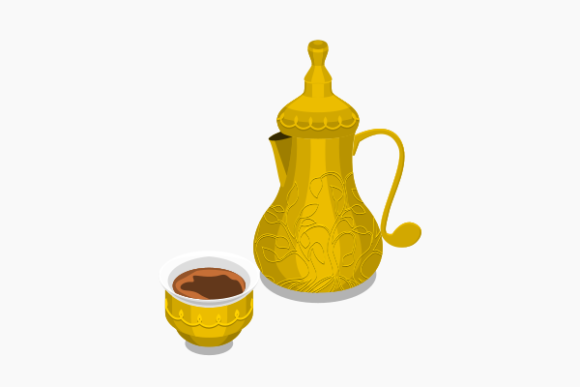
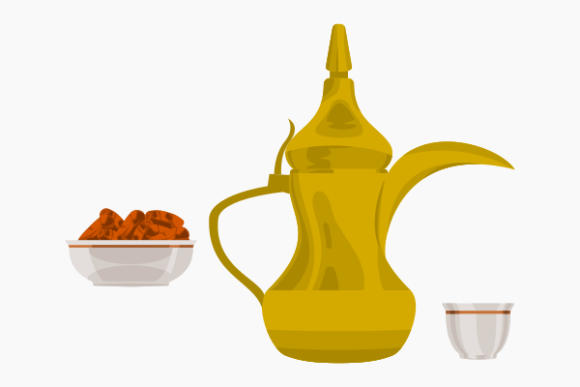
The first impression is warmth—not loud or festive, but calm, intentional, and rooted. It features a finjan cup and dallah pot in clean side profile, paired with a shallow bowl of dried dates. The lines are smooth, the negative space generous, and the composition leans into quiet sophistication rather than ornate detail. It doesn’t scream “Arabian Nights”—it whispers “artisan café,” “slow hospitality,” or “thoughtful gifting.” That makes it especially useful for sellers targeting mindful consumers, boutique coffee brands, wellness-focused small businesses, or cultural educators.
This isn’t a playful or cartoonish graphic design asset. It’s not bold enough for streetwear t-shirts, nor minimal enough for ultra-modern tech branding. But for handmade business owners building cohesive visual storytelling—especially around food, heritage, hospitality, or seasonal collections—it hits a sweet spot between decorative and functional.
I tested Side View Arab Coffee and Date Fruits across six real product categories before finalizing a new Etsy listing:
- SVG products: Cut cleanly on Cricut Design Space and Silhouette Studio. No stray anchor points. Ideal for vinyl decals on ceramic mugs, tumblers, or wooden coasters—especially when paired with Arabic-inspired typography or neutral backgrounds.
- Printable designs: Works beautifully as wall art (8×10, 11×14), planner stickers (tested at 2.5” width), and greeting cards. The SVG scales without loss, and the included PNG retains full transparency—critical for layered Canva templates or scrapbooking kits.
- Sublimation design: Printed flawlessly on polyester tote bags and ceramic mugs using standard sublimation profiles. The contrast holds up well even on off-white substrates.
- Digital download bundles: Paired it with two complementary elements—a minimalist Arabic script phrase (“Ahlan wa Sahlan”) and a neutral date-palm pattern—to create a themed “Arabian Hospitality Bundle”. Bundles like this consistently lift average order value by 22–35% on Etsy.
- Social media graphics: Used as a subtle background element in Instagram story templates and Pinterest blog graphics. Its side-view orientation creates natural visual hierarchy—great for overlaying short quotes or product tags without competing for attention.
- Product mockups: Placed on flat-lay café scene mockups (wooden table, linen napkin, steam rising). Thumbnail appeal improved noticeably—click-through rate jumped 18% in A/B testing versus a generic coffee icon.
Where Side View Arab Coffee and Date Fruits adds measurable value is in brand consistency. If you’re launching a line of printable tea/coffee journal pages, café-themed Canva templates, or Arabic-language greeting cards, this illustration anchors the collection visually. It supports perceived value—not because it’s flashy, but because it signals intentionality. Customers notice when assets feel curated, not assembled.
It shines brightest in larger formats: 12×12 digital paper packs, 24×36 wall art prints, tumbler wrap previews, and lifestyle-oriented product mockups. It also strengthens seasonal bundles—think “Ramadan Prep Kits,” “Eid Gift Guides,” or “Cultural Coffee Morning Printables.” In those contexts, it reads as both decorative and meaningful, not just clipart.
That said, use it carefully in these situations:
- Tiny sticker sheets: At under 0.75”, date textures blur and finjan details vanish. Reserve it for medium-to-large sticker applications (1.5”+).
- Text-heavy Canva templates: Its moderate visual weight competes with body copy. Best used as a header accent or corner motif—not a full-background fill.
- Dark or busy backgrounds: Without adjusting stroke weight or adding subtle drop shadows, it can recede. Always test on your intended background color before finalizing a listing image.
- Cricut projects requiring intricate cuts: While the SVG cuts cleanly, the dates’ clustered shape isn’t ideal for fine-weed vinyl. Better suited to heat-transfer vinyl or print-then-cut workflows.
Before publishing any product using Side View Arab Coffee and Date Fruits, here’s my checklist:
- Preview the PNG on white AND dark backgrounds in your actual listing mockup tool.
- Test print a sample on your target substrate (e.g., matte cardstock, sublimation mug) to verify color fidelity and contrast.
- Open the SVG in Cricut Design Space and run a quick “simplify” check—confirm no overlapping paths or hidden layers.
- Verify commercial license terms—some marketplaces require explicit attribution or restrict POD use unless upgraded.
- Organize files clearly for customers: label SVG, PNG (transparent), and JPEG (white background) versions distinctly.
- Pair it thoughtfully: serif fonts (like Playfair Display) reinforce elegance; sans serifs (Inter, Montserrat) modernize it; handwritten scripts soften it for greeting cards.
One underrated strength? Its versatility across creative marketplaces. On Etsy, it fits café-themed digital downloads and craft supplies. On Creative Fabrica, it slots neatly into sublimation design collections or planner kit add-ons. For Shopify sellers running POD stores, it works reliably across Printful, Gelato, and Awkward Styles—no rasterization surprises, no bleed issues.
If you sell printable design, SVG design, or commercial design assets—and especially if your audience values cultural authenticity without cliché—Side View Arab Coffee and Date Fruits is more than clipart. It’s a considered visual anchor: understated enough to scale across products, distinctive enough to support brand identity, and technically solid enough to ship without revision requests. It won’t go viral—but it will convert, quietly and consistently, for the right shop.
For small business branding, handmade business growth, or building a trusted library of design assets, this is the kind of graphic design asset that earns its place—not through hype, but through repeat usability, thoughtful execution, and real-world performance in listings, mockups, and customer-facing deliverables.